
Posted by Mia Wren on 17th Jul 2026
Carbon Steel vs Aluminium Bakeware Compared
There's a noise every baker knows and nobody enjoys: the metallic pop from inside the oven, ten minutes into a bake, as a thin tray gives up and buckles. If you've heard it, the tray was almost certainly aluminium, and almost certainly a thin one. The batter slides to one corner, the cookies bake into ovals, and you're left wondering whether the material was the problem or you just bought a bad tray.
The honest answer is both. Aluminium and carbon steel are the two metals that dominate home bakeware, and they behave differently in ways that show up in your bakes. This guide covers what each material actually does in the oven, where each one wins, and which belongs in your kitchen. No scaremongering about either. Just the metallurgy that matters, translated into browning, rising, and washing-up.
What the two materials actually are
Aluminium is the lighter metal by a distance, and it's the better heat conductor. Heat moves through it around three times faster than through steel, which is why commercial bakeries run thick aluminium sheet pans by the hundred. It heats fast, it heats evenly, and it cools down quickly once it's out of the oven.
Carbon steel is a solid sheet of steel with a small amount of carbon added for hardness and rigidity. It conducts heat more slowly, but it holds far more of it once it's up to temperature. It's denser, stiffer, and heavier than aluminium at the same thickness, and it's what professional bread and pastry tins have been made from for over a century.
Neither material is "the good one". They're different tools. The trouble is that the aluminium sold on supermarket shelves is rarely the thick commercial kind, and that changes the comparison completely.
Heat: conduction vs retention
Aluminium's speed is a genuine advantage for some bakes. A thick aluminium sheet reaches temperature quickly and spreads heat evenly across its surface, with no hot spots. It also lets go of heat fast, so a tray of biscuits doesn't keep cooking on residual warmth after it comes out. Bakers who batch-bake cookies often prefer it for exactly that reason.
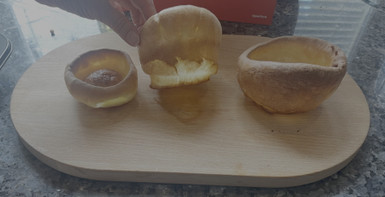
Carbon steel plays a different game. It takes slightly longer to heat up, then holds that heat like a storage radiator. Pour cold batter into a hot carbon steel tin and the tin barely drops in temperature. That stored heat is what makes Yorkshire puddings climb, what browns the base of a loaf instead of leaving it pale and sweaty, and what gives pastry a proper bottom crust. Aluminium, hit with the same cold batter, gives its heat up quickly and has to recover.
There's a second difference hiding in plain sight: colour. Most aluminium bakeware is bright and reflective, which bounces radiant heat away from your bake and slows browning. Carbon steel tins are dark, and dark surfaces absorb heat. Same recipe, same oven, and the dark steel tin will give you the deeper golden crust. If your bakes routinely come out pale underneath, the shiny tray is a suspect.
So the heat verdict splits by what you bake. Biscuits and delicate sponges that want gentle, even, responsive heat lean aluminium. Bread, Yorkshire puddings, pastry, and anything that needs a bold crust and a strong rise lean carbon steel.
Warping: where thin aluminium loses
That pop from the oven is thermal shock. Metal expands as it heats, and when one part of a tray expands faster than another, something has to give. A thick, rigid sheet absorbs the stress. A thin, soft one buckles.
Aluminium is the softer metal, and the aluminium in budget bakeware is usually rolled thin to hit a price. Thin plus soft is the warping recipe: the tray flexes on every bake, twists under a grill, and eventually stays bent. A warped tray rocks on the oven shelf, pools fat at one end, and bakes unevenly for the rest of its life, which tends to be short.
Carbon steel's rigidity is the fix. The same stresses act on it, but steel is stiffer than aluminium and a heavy-gauge tin simply doesn't move. This is most of the reason Wrenbury builds in carbon steel rather than aluminium, and why every tin carries a 10-year warranty. A material that holds its shape for a decade is a warranty you can actually offer. We've written a fuller piece on why bakeware warps and how to avoid it if you've already got a cupboard of bent trays.
To be fair to aluminium: thick commercial-grade sheets and heavy anodised aluminium tins resist warping well. If you buy aluminium, gauge is everything. It's the thin stuff that fails.
Reactivity and upkeep: the quieter differences
Bare aluminium has a chemistry problem that surprises people the first time they meet it. It reacts with acidic mixtures. Bake a lemon drizzle, a rhubarb crumble, or anything tomato-based in an uncoated aluminium tin and the acid can pull traces of metal into the food, leaving a faint metallic taste and sometimes a greyish tinge in a pale crumb. Anodising solves this by sealing the surface, and coatings solve it too, but a bare aluminium tray and a citrus bake are a poor pairing. Aluminium also sulks in the dishwasher: the alkaline detergent strips its finish and leaves it dull and grey.
Carbon steel's weakness is different. Steel contains iron, and iron rusts. Leave a bare carbon steel tin dripping on the draining board overnight and you can find orange spots by morning. Bare steel also needs seasoning, a baked-on oil layer, to release cleanly.
This is where coatings change the picture, and it's worth being precise about what Wrenbury sells. Our tins are not bare steel. They're heavy-gauge carbon steel with a non-stick coating made without PTFE or PFOA, so there's no seasoning ritual and no bare metal to rust in normal use. You get the heat retention and rigidity of steel without the maintenance that puts people off it. The full explanation of what those coating terms mean is in our PTFE-free bakeware guide, and if you're wondering whether a new tin needs seasoning at all, we've answered that here. The care routine is short: wash by hand, dry properly, done. Our guide to making a baking tray last 10 years covers the rest.
Weight and handling
Credit where it's due: aluminium is light, and that matters more than spec sheets admit. A full-size aluminium sheet pan loaded with roast potatoes is comfortable to lift one-handed. The equivalent in carbon steel asks for two hands and a bit of respect.
For most home tins the difference is modest. A 2lb loaf tin in heavy-gauge steel weighs a few hundred grams more than its aluminium cousin, and plenty of bakers read that weight as reassurance rather than burden. But if wrist strength is a consideration, or you're sliding big trays in and out all afternoon, aluminium's lightness is a real point in its favour.
So which should you buy?
Choose aluminium if you mostly bake biscuits and delicate sponges, you want light trays, and you're prepared to buy thick, good-quality sheets rather than the bendy budget kind. Anodised aluminium if acidic bakes are on the menu.
Choose carbon steel if you bake bread, Yorkshire puddings, pastry, or anything that lives or dies on crust and rise, and you want tins that hold their shape year after year. Coated carbon steel, the kind Wrenbury makes, removes the seasoning and rust caveats that come with bare steel.
If you're only buying one set of tins, carbon steel is the more forgiving all-rounder. It does 95% of what aluminium does, it browns better, and it lasts longer. The reverse isn't true.
The tins in this comparison

Non Stick 2lb Loaf Tin Pan
£15.99
Heavy carbon steel that browns the base of a loaf properly. Non-stick made without PTFE or PFOA.
View product
12 Cup Yorkshire Pudding Tin Tray
£19.99
Stored heat is what makes Yorkshires climb. Carbon steel holds it; thin aluminium gives it up.
View product
Cookie Sheet Pan Baking Tray 32cm x 22cm
£16.99
A flat tray that stays flat. Rigid carbon steel, no oven pop, no rocking on the shelf.
View productIf you batch-bake, both the loaf tin and the Yorkshire tin come as money-saving pairs: the 2lb loaf tin set of 2 and the 12 cup Yorkshire pudding tin set of 2. Browse the full range at the bakeware collection, and if it's specifically a loaf tin you're weighing up, our loaf tin buying guide goes deeper on sizes and gauges. For the related question of coatings rather than base metals, read carbon steel vs non-stick.
Frequently asked questions
Why did my aluminium baking tray warp and make a popping noise in the oven?
Thermal shock. Thin aluminium expands unevenly when heated quickly, and because the metal is soft, it buckles rather than holding its shape. The pop is the tray flexing. Thicker trays of any metal resist it better, and rigid carbon steel resists it best. Once a tray has warped and stays warped, it will bake unevenly from then on.
Does aluminium bakeware react with food?
Bare, uncoated aluminium can react with acidic ingredients such as lemon juice, rhubarb, and tomato, which may leave a metallic taste and a grey tinge in pale bakes. The quantities involved are tiny, but the flavour effect is real. Anodised or coated aluminium doesn't have this problem, and nor does coated carbon steel.
Will a carbon steel baking tin rust?
Bare carbon steel can rust if it's left wet, which is why it needs drying promptly and a wipe of oil between uses. Wrenbury tins are coated carbon steel, so the steel isn't exposed in normal use. Wash by hand, dry them properly rather than leaving them on the draining board, and rust shouldn't feature.
Why do professional bakeries use aluminium if carbon steel is so good?
Commercial bakeries mostly use thick aluminium sheet pans or aluminised steel, and for good reasons: speed, light weight in high volume, and even conduction. Note what they're baking on them, though. High-street bakery loaf and pastry tins are typically steel. The materials are chosen per job, and the thin aluminium sold cheaply for home use is not the commercial product.
Is carbon steel harder to look after than aluminium?
Bare carbon steel asks more: seasoning, prompt drying, an occasional oil wipe. Coated carbon steel asks very little, just hand washing and proper drying, and our care and use guide covers it in full. Aluminium needs no rust care but dulls and discolours in the dishwasher, and thin trays need replacing once they warp. Over ten years, the coated steel tin is usually the lower-effort option because it's still in service.
The short answer
Aluminium conducts; carbon steel holds. For biscuits and light sponges, good thick aluminium earns its place. For bread, Yorkshires, pastry, and every bake that needs a real crust, heavy-gauge carbon steel wins, and coated carbon steel gives you that performance without the upkeep of bare steel. Buy the material for the bakes you actually do, and whichever you choose, buy it thick.